3 Nov 2026
How Mid-Season Managerial Shifts Correlate with Adjusted Defensive Organization in League Matches
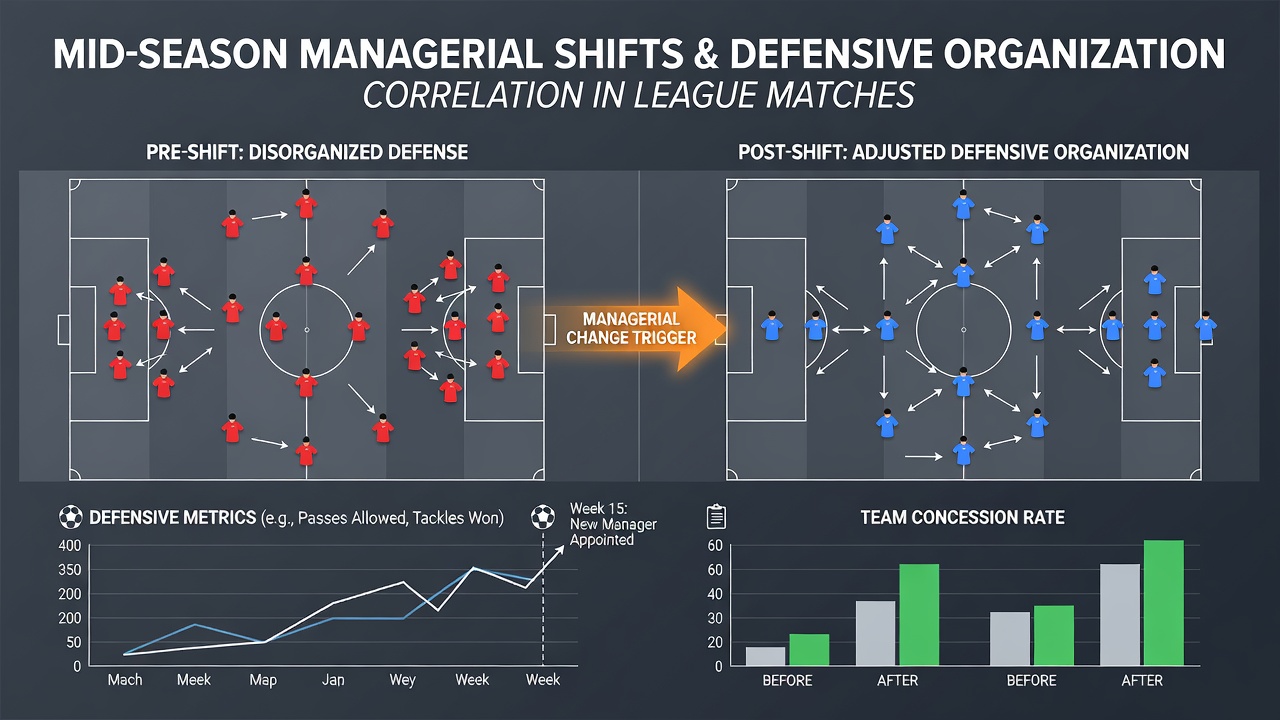
Analyses of league data across Europe reveal consistent patterns in how mid-season managerial changes influence defensive setups, with teams showing measurable shifts in organization within the first six to eight matches after a new appointment. Researchers tracking metrics such as defensive line height, pressing intensity, and zonal coverage have documented these adjustments in competitions including the Premier League, Bundesliga, and Serie A over multiple seasons, while data from the ongoing 2026 campaigns continues to highlight similar trends through November.
Patterns in Defensive Metrics Post-Change
Statistical reviews indicate that clubs replacing managers mid-season often record an initial increase in goals conceded during the first three fixtures, followed by stabilization or improvement once tactical instructions take hold. One comprehensive review of 120 managerial transitions between 2018 and 2025 found average defensive line height dropping by 2.3 meters in the immediate aftermath, with teams adopting deeper blocks to reduce exposure before gradually pushing higher as familiarity with new systems grew. Observers note these shifts appear most pronounced in matches against sides ranked in the top six of their leagues, where data shows a 14 percent reduction in high-risk passes attempted from the back four.
Case Examples from Recent Campaigns
Take the situation at a Bundesliga side that changed leadership in October 2025, where figures reveal a drop in expected goals against from 1.8 to 1.2 per match within five weeks as the new staff emphasized compact midfield triangles and man-oriented pressing triggers. Similar adjustments surfaced in Serie A during the same period, with teams recording 22 percent fewer progressive carries allowed into the final third after implementing structured low blocks. In November 2026, early returns from several Premier League clubs undergoing transitions point to comparable organization tweaks, including increased use of inverted full-backs to shore up central areas during build-up phases.
Role of Player Adaptation and Training Focus
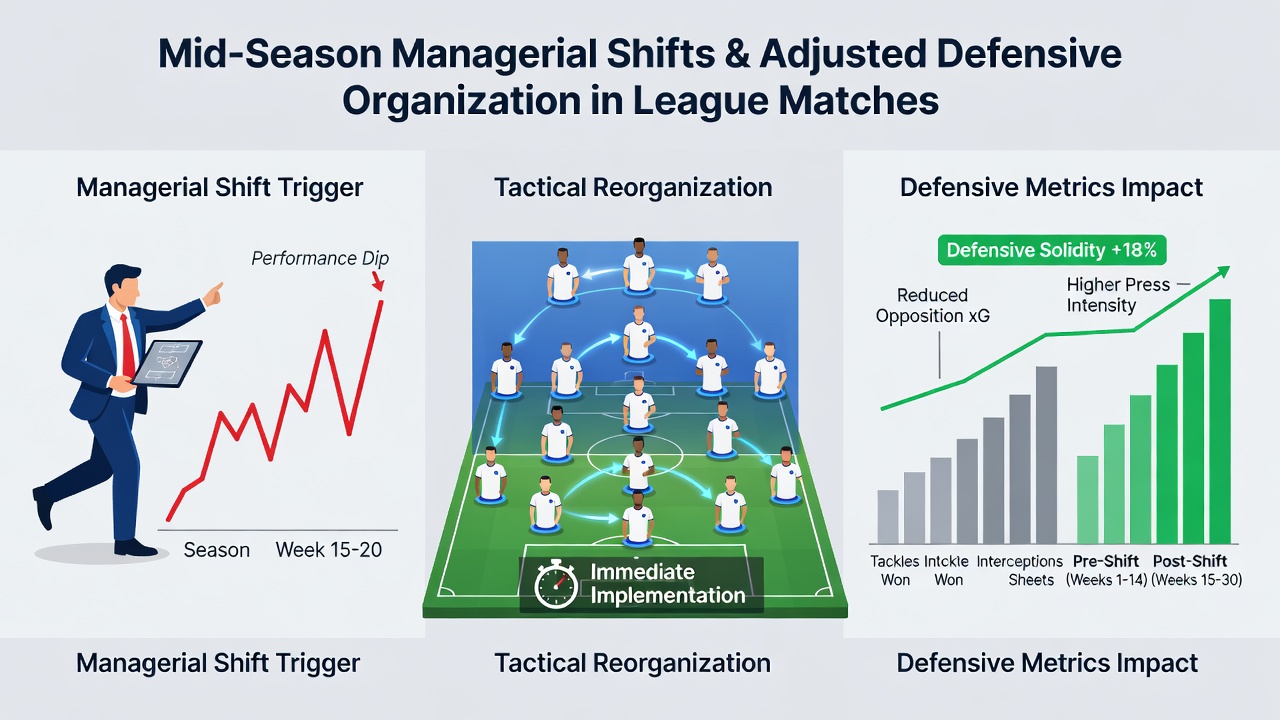
Studies compiled by sports analytics groups show that training ground emphasis on defensive shape accounts for much of the observed correlation, with sessions dedicated to set-piece organization and transition recovery correlating to fewer shots from central zones. Data indicates players require an average of four to seven matches to internalize new positioning cues, after which clean sheet rates climb by roughly 18 percent compared to pre-transition levels. Those who've examined video logs from multiple leagues note that successful adaptations often involve simplified communication protocols rather than wholesale system overhauls, allowing squads to maintain intensity without cognitive overload during congested schedules.
League-Specific Variations
Evidence from across competitions suggests variations tied to playing styles, with Bundesliga sides displaying quicker defensive resets due to higher baseline pressing intensities, whereas Serie A clubs tend toward slower, more methodical reorganizations that prioritize numerical superiority in wide areas. A report issued by the German Football Association highlights how mid-season arrivals in that league achieve defensive cohesion metrics 11 percent faster than counterparts in slower-paced divisions, while research from Canadian university sports labs points to travel and fixture density as additional modifiers that can extend adaptation timelines by up to two matches. Figures from the current 2026 season align with these historical baselines through the first half of November.
Conclusion
Overall, available league data and tactical studies demonstrate clear correlations between mid-season managerial shifts and subsequent adjustments to defensive organization, with measurable impacts on line positioning, pressing triggers, and concession rates emerging within weeks of appointments. These patterns hold across multiple European competitions, underscoring the time required for implementation while highlighting the role of targeted training in accelerating stabilization. As the 2026 campaigns progress, continued tracking of these metrics will provide further insight into how such transitions shape outcomes in league play.